Watercolor Baby Fox at Christmas: A Designer's Review
As a designer who spends more time staring at stitch maps than most people care to admit, I approach every new machine embroidery design with a mix of excitement and skepticism. When I first pulled up the Watercolor Baby Fox at Christmas file on my screen, my initial reaction was one of genuine delight. There is a specific mood that holiday illustrations need to hit—they must feel nostalgic without being cliché, and whimsical without losing professional polish. This design, categorized under Illustrations, seems to walk that tightrope well. However, seeing a digital preview and actually stitching it out are two very different experiences. Today, I am breaking down how this design performs in real-world scenarios, specifically for those of us running craft businesses or creating high-end personalized gifts.
First Impressions and Visual Personality
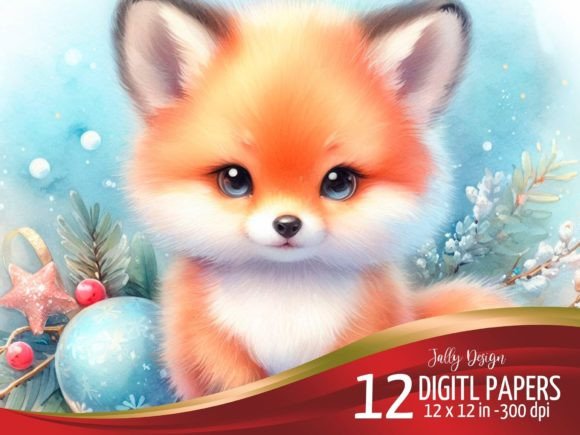
The first thing that stands out about the Watercolor Baby Fox at Christmas is its softness. In the world of digitizing, achieving a "watercolor" effect often requires a delicate balance of fill stitch directions and varying stitch density. If the density is too high, you lose the airy, painted look; too low, and the fabric shows through in unattractive gaps. From what I can observe in the layout, this design utilizes a blend of satin and fill techniques to mimic brush strokes. The fox itself has a gentle, approachable personality, making it an ideal candidate for baby embroidery or nursery decor. It does not scream for attention with harsh outlines but rather invites the viewer in with subtle color transitions. For an Etsy seller looking to differentiate their holiday collection from the sea of generic red-and-green motifs, this visual personality offers a boutique feel that suggests higher value.
Real-World Application: The Holiday Tote Scenario
To truly evaluate this embroidery project, I imagined a specific client request: a custom holiday gift set for a young family. The goal was to create matching tote bag design items for carrying gifts, along with a keepsake pillow for the nursery. This is where the rubber meets the road. On a canvas tote, the Watercolor Baby Fox at Christmas shines. The sturdy fabric provides the necessary support for the intricate details of the fox's fur and the surrounding holiday elements. The design scales well here, allowing the thread colors to pop against a natural or cream background.
However, if we shift this to a sweatshirt embroidery project, the conversation changes slightly. Sweatshirts often have a textured, fuzzy surface. A design relying on fine detail can sometimes get lost in the nap of fleece or French terry. In this case, the broader shapes of the watercolor style actually work in our favor. The softer edges of the design blend naturally with the texture of the garment, avoiding that "stuck-on" look that plagues overly dense digital files. For a small shop product line, this versatility is crucial. It means you can offer the same design asset across different product categories without needing to completely re-digitize the file for each fabric type.
Navigating Fabric Challenges and Hoop Constraints
While the design is charming, there are areas where caution is required. If you are planning to use this on stretchy fabrics like jersey knits for custom apparel, your choice of stabilizer will make or break the finished product. The watercolor effect implies a certain fluidity; if the fabric shifts during stitching, those soft gradients can turn into jagged, distorted messes. I strongly advise testing this on scrap fabric first, specifically using a cut-away stabilizer for knits to ensure long-term durability.
Another consideration is the hoop size. Detailed illustrations often require a larger workspace to maintain their integrity. If you attempt to shrink this design to fit a small cap or a tiny pocket, you risk losing the definition of the fox's features. The tiny details that give the image its character might merge into a solid blob of thread. For curved surfaces like caps, the center of the design needs to be robust enough to handle the curvature without puckering. While this design looks fantastic on flat surfaces like tea towels or pillow covers, I would hesitate to recommend it for complex 3D structures unless you have confirmed the specific stitch count and density limits with the creator.
Commercial Viability and Brand Consistency
For commercial embroidery professionals and digital product sellers, the question always comes down to ROI and brand perception. Does the Watercolor Baby Fox at Christmas elevate the perceived value of the item? Absolutely. Customers are increasingly savvy; they can spot a low-quality, auto-digitized image from a mile away. This design feels intentional. Using it on a personalized gift or as part of a limited edition holiday drop signals that the maker cares about aesthetics. It builds customer trust because the final output looks like art, not just a logo slapped onto fabric.
Furthermore, for those creating printable mockups for online listings, this illustration translates beautifully to digital previews. The color palette is rich yet harmonious, which photographs well under various lighting conditions. This is a significant advantage for an Etsy seller whose entire business model relies on compelling visuals. A design that looks good on screen and stitches out cleanly is the holy grail of design assets.
Final Verdict and Practical Notes
In summary, the Watercolor Baby Fox at Christmas is a strong contender for your holiday lineup, provided you respect its technical requirements. It excels in applications where its artistic style can be fully appreciated, such as home decor, tote bags, and children's wear. However, it demands respect regarding fabric choice and stabilization. Before committing to a large production run or promising a client a specific delivery date, take the time to stitch a sample. Check the thread color contrast on both light and dark backgrounds. Verify the licensing terms to ensure you are cleared for commercial use if you intend to sell the handmade product.
Remember, the best embroidery file is one that you understand intimately. Take note of how the satin stitch borders interact with the fill areas. If you are using an applique design variation of this concept, ensure your fabric cuts are precise. By treating this design with the care it deserves, you can create holiday embroidery pieces that stand out in a crowded market. Whether you are a hobbyist making gifts for family or a creative entrepreneur scaling your boutique, this fox has the potential to be a star player in your winter collection, bringing a touch of whimsical warmth to every stitch.