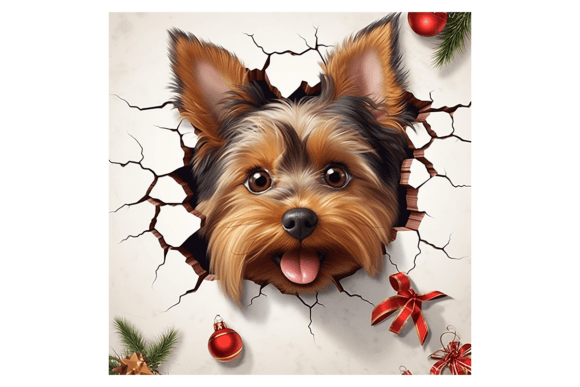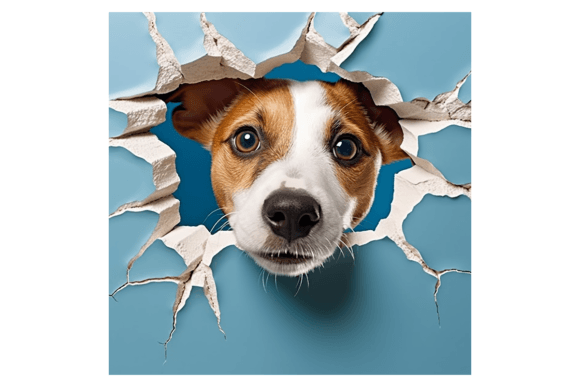
Review: Christmas Jack Russel Broken Wall 1 Design
As a designer who spends more time at the hoop than away from it, I approach every new machine embroidery design with a critical eye. It is not just about whether the image is cute; it is about how that image translates into thread, how it sits on fabric, and whether it will hold up after a wash cycle or two. Today, I am taking a close look at Christmas Jack Russel Broken Wall 1, a piece filed under Illustrations that promises a whimsical holiday vibe. My goal here is to determine if this digital embroidery file is ready for prime time in a real-world craft business or if it requires some tweaking before it becomes a finished product.
First Impressions and Visual Personality
When I first pulled up the preview for Christmas Jack Russel Broken Wall 1, the immediate reaction was one of charm. The concept of a Jack Russell terrier interacting with a "broken wall" theme during the holidays suggests a playful, slightly mischievous narrative that resonates well with dog lovers. In the world of holiday embroidery, we often see the same old snowmen and reindeer. This design offers a fresh perspective, likely appealing to customers looking for something specific to their breed obsession.
The layout appears to balance the character of the dog with the structural element of the wall. For an embroidery project to succeed, the visual weight must be distributed evenly. If the "broken wall" effect relies heavily on dense fill stitch areas to simulate brick or rubble, we need to be mindful of how that interacts with the finer details of the dog's fur, which might utilize satin stitch or complex running stitch work. The mood is festive but grounded, making it versatile enough for more than just December decor.
Real-World Application: The Holiday Tote Scenario
To truly evaluate this design, I imagined a specific client request: a custom tote bag design for a local boutique selling handmade holiday gifts. The client wants a sturdy canvas bag featuring Christmas Jack Russel Broken Wall 1 as the centerpiece. This is a perfect test case because canvas has a distinct fabric texture that can challenge detailed designs.
In this scenario, the design needs to be large enough to showcase the "broken wall" details without losing the definition of the Jack Russell's expression. If the stitch density is too high, the canvas might pucker, ruining the flat lay of the bag. Conversely, if the density is too low, the "wall" might look sparse and unconvincing. For a small shop product like this, the perceived value hinges on the crispness of the stitches. A well-executed version of this design could easily become a bestseller for an Etsy seller specializing in pet-themed goods.
Beyond tote bags, I can see this working beautifully on a heavy cotton sweatshirt embroidery project. The cozy nature of a sweatshirt complements the holiday theme, and the structure of the garment can support a moderately dense design. However, one must consider the stretch. If the "broken wall" includes straight geometric lines, stitching them on a stretchy knit requires a high-quality cut-away stabilizer to prevent distortion over time.
Technical Considerations and Fabric Challenges
While the artistic merit of Christmas Jack Russel Broken Wall 1 is strong, practical application requires us to look at the technical constraints. Not every surface is created equal. If you are planning to use this as an embroidered patch to be sewn onto a cap, you must consider the curvature of the hat. Designs with wide horizontal spans, like a crumbling wall, can be tricky to hoop correctly on a curved surface without significant push-pull distortion.
Furthermore, the choice of thread colors is critical. If the design relies on subtle shading to create the illusion of depth in the broken wall, using low-quality threads on a dark fabric could result in a muddy appearance. It is always wise to test the design on scrap fabric similar to your final material. Check how the light hits the satin stitch borders against the fill stitch interiors. Does the contrast pop, or does it blend together?
Special care should be taken with small hoop sizes. If the original embroidery file is large, resizing it down for a baby onesie or a pocket detail might cause the fine details of the Jack Russell's face to merge into a solid blob. Tiny details often disappear when scaled down, turning a charming illustration into an indistinguishable shape. Always verify the minimum recommended size before committing to a baby embroidery project.
Enhancing Brand Value and Customer Trust
For commercial embroidery professionals, the consistency of your output defines your brand. Using a high-quality design like Christmas Jack Russel Broken Wall 1 can elevate your portfolio, provided it is stitched correctly. Customers trust handmade items that look professional. If the stitching is clean, the corners are sharp, and the fabric lies flat, you build reputation.
This design has the potential to be a standout personalized gift. Imagine adding a name below the dog in a complementary font. The combination of a unique illustration and personalization creates a high-perceived value item. However, if the design breaks down upon washing—if the dense areas cause the fabric to tear or the threads to fray—customer trust evaporates instantly. Therefore, understanding the stitch density and appropriate stabilizer usage is not just a technical step; it is a business necessity.
Designer Notes for Successful Execution
Before you load this design into your machine for a paid order, here are a few practical steps to ensure success:
- Test on Scraps: Never run a new machine embroidery design directly on the final garment. Stitch it on a scrap piece of the same fabric and weight.
- Check Contrast: View your test stitch-out in black and white. This helps you see if the tonal values of the "broken wall" and the dog are distinct enough.
- Stabilizer Selection: Given the likely mix of fill and satin stitches, a medium-weight cut-away stabilizer is often safer than tear-away, especially for items that will be washed frequently.
- Verify Licensing: Always confirm the license terms associated with the digital embroidery file. Ensure you have the rights to sell finished physical products if you are running a craft business.
- Inspect Small Details: Look closely at the transition points between the dog and the wall. Are there excessive jump stitches that need trimming? Clean-up time affects your profit margin.
In conclusion, Christmas Jack Russel Broken Wall 1 offers a delightful blend of humor and holiday spirit that fits well within the Illustrations category. It holds significant promise for custom apparel, home decor, and boutique merchandise. However, its success relies entirely on the skill of the operator to manage fabric tension, thread choice, and stabilizer support. By treating this design with the respect and technical preparation it deserves, you can turn a simple digital asset into a cherished handmade product that brings joy to dog lovers everywhere.