Lilac Christmas Ornament Design: A Designer's Review
As someone who spends more time staring at stitch maps than most people spend watching television, I approach every new machine embroidery design with a mix of excitement and skepticism. We have all been there: you buy a beautiful digital file, load it onto your machine, and realize too late that the density is wrong for the fabric or the details are too fine for the hoop size. That is why I took a close look at the Lilac Christmas Ornament Design before committing it to a client project. This isn't just about whether it looks cute on a screen; it is about how it performs as a finished product in the real world.
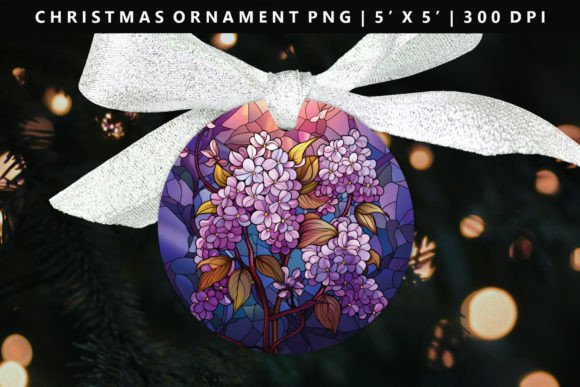
My first impression of this design was its gentle, nostalgic mood. Unlike some holiday graphics that scream for attention with heavy metallic fills and aggressive outlines, this piece feels softer. It fits squarely into the Illustrations category, relying on line work and subtle shading rather than blocky saturation. The theme is classic winter decor, but the execution suggests a modern, boutique aesthetic. For a designer, this visual personality is crucial because it dictates where the design belongs. It doesn't feel like something you would slap on a generic sports jersey; it feels like it belongs on a high-end linen tote or a heirloom-quality pillow cover.
Putting the Design to the Test: A Real-World Scenario
To truly evaluate the Lilac Christmas Ornament Design, I imagined a specific use case that many of us face during the holiday rush: creating a limited run of custom gift sets for a local boutique. The client wanted embroidered tea towels and matching aprons that felt handmade but polished enough to sell at a premium price point. This scenario is perfect for testing because kitchen linens involve textured fabrics (like waffle weave or heavy cotton) and require durability through frequent washing.
When I visualized the design stitched onto a cream-colored linen towel, the results were promising. The layout of the ornament allows for breathing room, which is essential when working with textured fabric texture. If a design is too dense, it can cause the fabric to pucker or become stiff, ruining the drape of a towel or the comfort of an apron. The Lilac Christmas Ornament Design appears to balance satin stitch borders with open fill stitch areas effectively. This balance suggests that the final item would remain soft to the touch while still providing enough coverage to look vibrant.
For an Etsy seller or small shop owner, the visual appeal of the finished product directly impacts customer trust. A design that looks muddy or overly complicated when stitched can make a handmade product look amateurish. Conversely, a clean, well-defined design like this elevates the perceived value. I could easily see this working as a central motif on a tote bag design or as a delicate accent on a sweatshirt embroidery project. The "lilac" aspect of the title suggests a color palette that moves away from traditional red and green, offering a fresh take on holiday embroidery that appeals to customers looking for something unique.
Technical Considerations for Professional Results
While the aesthetic is strong, practical application requires a critical eye for technical details. One area where I always exercise caution with illustrated designs is the level of detail in small corners. If you are planning to use this as an embroidered patch or on a cap, you need to consider the curve of the surface and the stability of the backing. Curved surfaces can distort fine lines, so checking the stitch density is vital. If the design relies heavily on tiny running stitch details, they might get lost on a thick fleece sweatshirt but shine on a smooth poplin shirt.
Fabric choice plays a massive role here. For dark fabrics, you must ensure the thread colors provide enough contrast. The lilac tones mentioned in the title might vanish against a navy or black background unless the digitizer has included proper underlay or outlined the shapes sufficiently. I always recommend testing the embroidery file on scrap fabric that matches your final material. This is non-negotiable for professional work. You need to see how the stabilizer interacts with the specific weight of your fabric. A lightweight stabilizer might not be enough for a dense ornament design on a stretchy knit, leading to registration issues where the colors don't align perfectly.
Another consideration is the hoop size. While I don't have the exact specifications for this file, illustrated designs often require a medium to large hoop to maintain the integrity of the proportions. Trying to shrink a detailed illustration into a 4x4 hoop for a baby onesie might result in lost details. If you are doing baby embroidery, simplicity is often key, so ensure the smallest elements of the ornament remain distinct at smaller scales.
Commercial Viability and Brand Consistency
For creative entrepreneurs selling design assets or finished goods, consistency is everything. The Lilac Christmas Ornament Design offers a cohesive look that can help build brand recognition. If you are creating a holiday collection, this design could serve as a anchor piece, paired with complementary patterns or text. Its illustrative style works well for printable mockup previews, allowing you to showcase the design on various products before you even stitch a single thread. This helps in marketing your small shop product lines effectively.
However, before listing any items for sale, you must verify the licensing terms. Just because a design is beautiful doesn't mean it is cleared for commercial embroidery use. Always check if the license allows for unlimited physical sales or if there are restrictions on digital redistribution. Using a design without the proper clearance can lead to serious legal issues for your craft business.
Final Verdict and Designer Notes
In conclusion, the Lilac Christmas Ornament Design holds significant potential for those looking to create sophisticated, non-traditional holiday items. It bridges the gap between whimsical illustration and structured embroidery art. To get the best results, keep these practical tips in mind:
- Test First: Always stitch a sample on scrap fabric identical to your final project material to check for puckering or thread breaks.
- Check Contrast: View your design in black and white to ensure the shapes stand out clearly without relying solely on color differences.
- Stabilizer Matters: Match your stabilizer type (cut-away vs. tear-away) to the fabric weight and the expected wear of the finished product.
- Review Details: Inspect small corners and fine lines closely; you may need to adjust pull compensation settings on your machine.
- Verify Licensing: Confirm that your intended use, whether for personal gifts or commercial sales, aligns with the creator's license terms.
Ultimately, a great embroidery project is about more than just the machine; it is about the judgment of the operator. With the right preparation and fabric selection, this design can transform simple materials into cherished personalized gifts or best-selling inventory. It is a reminder that in our trade, the devil—and the delight—is in the details.